


Understanding the Lyme Disease Surge in West Virginia & How to Limit Tick Exposure
Over the past decade, West Virginia has experienced a concerning increase in tick-borne illnesses, particularly Lyme disease. Understanding the factors contributing to the spread of Lyme disease and adopting effective preventive measures is imperative to handling this public health issue.
The Lyme Landscape
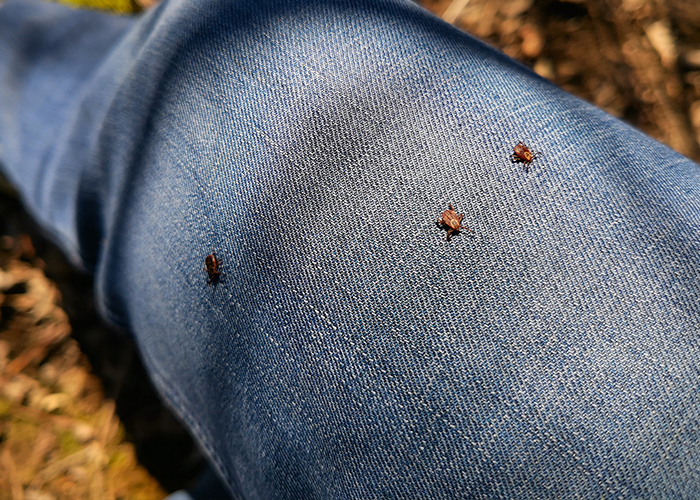
Lyme disease, caused by the bacterium Borrelia burgdorferi, is primarily transmitted to humans through the bite of infected black-legged ticks, commonly known as deer ticks. These tiny arachnids thrive in wooded and grassy areas, making outdoor activities such as hiking, camping, gardening, and hunting all potential encounters for ticks.
The Spread in West Virginia
Factors such as climate change, habitat alterations, and human encroachment into natural environments have contributed to the proliferation of tick populations in West Virginia. Additionally, the expanding deer population, which serves as a host for ticks, further exacerbates the spread of the disease.
The Impact on Public Health
Lyme disease can manifest in various symptoms, including fever, fatigue, joint pain, and a characteristic bullseye rash. If left untreated, it can lead to more severe complications affecting the joints (arthritis), heart, and nervous system.
Preventive Strategies
There are a variety of proactive measures you can take to limit your risk of tick exposure and help mitigate the spread of Lyme disease among our communities.
- Wear Protective Clothing
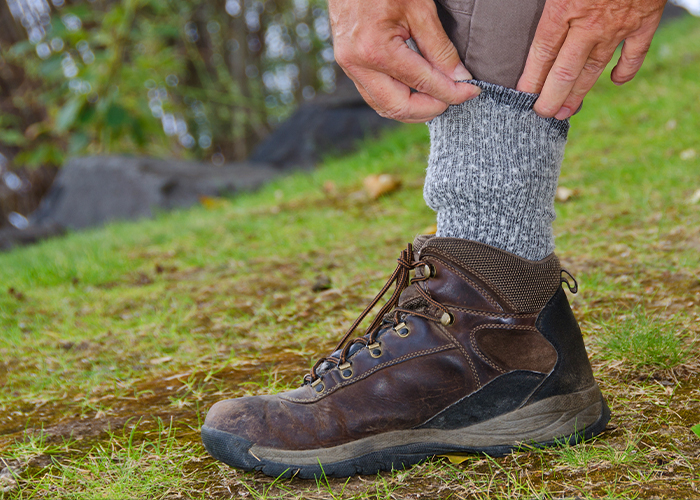
When venturing into wooded or grassy areas, wear long sleeves, pants, and closed-toe shoes to minimize skin exposure to ticks. Tucking pants into socks creates a barrier that makes it harder for ticks to reach the skin. - Use Insect Repellents
Apply insect repellents containing DEET, picaridin, or permethrin to exposed skin and clothing. These repellents deter ticks and other insects, reducing the likelihood of bites. - Perform Tick Checks
After spending time outdoors, thoroughly inspect your clothes and body for ticks, paying close attention to areas such as the scalp, groin, and armpits. Promptly remove any attached ticks using fine-tipped tweezers, grasping the tick as close to the skin’s surface as possible and pulling upward with steady, even pressure. If you remove a tick, do not smash it with your fingers. Put it in alcohol, place it in a sealed bag/container, or flush it down the toilet. - Create Tick-Safe Zones
Keep outdoor recreational areas, such as yards and playgrounds, well-maintained by mowing the grass regularly and removing leaf litter and brush, which serve as tick habitats. Consider creating barriers such as gravel or wood chip borders between wooded areas and recreational spaces to minimize tick migration. - Protect Your Pets
Ensure that pets are treated with veterinarian-recommended tick preventatives and regularly check them for ticks after outdoor activities. Pets can carry ticks indoors, increasing the risk of human exposure. When checking for ticks, pay close attention to your pet’s ears, neck (under their collar) and paws (between the toes).
By adopting strategies to reduce tick exposure and promoting community awareness, residents can play a pivotal role in safeguarding public health and curbing the incidence of Lyme disease in our state.
Enjoy your summer and remember to check for ticks!