Storing an Abundance of Food
Often, during the holidays and around special occasions, we end up with our refrigerators crammed full of an abundance of food. It is easy for food products to get shoved to the back where they may be forgotten for days. Given enough time, even under refrigeration, foods can grow harmful bacteria or mold. Below are some tips for preventing the food in your refrigerator from becoming a science experiment gone wrong.
Prepare Smaller Quantities
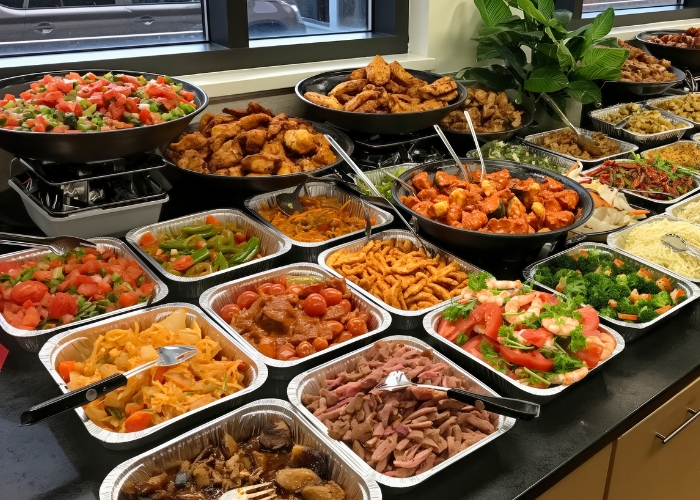
We tend to prepare more dishes than normal over the holidays. Instead of one or two vegetable sides, we prep three or four. Try to plan accordingly and prepare smaller quantities of each item so that there will be fewer leftovers competing for refrigerator space.
Serve Some Foods Not Needing Refrigeration
By serving some foods that do not require refrigeration, such as whole or dried fruits, cake, candies, nuts, or fruit pies, you can reduce your need for refrigerator space.
Send Leftovers Home With Friends & Family
If there is a lot of food left over after a large gathering, send some of that food home with your guests in “to-go” containers. This will keep your refrigerator from becoming too crowded to allow proper air circulation. Your friends and family will get to enjoy another yummy meal without having to do a lot of food preparation, too. This also ensures that leftovers are used up within three or four days.
Freeze Leftovers You Won’t Use Soon
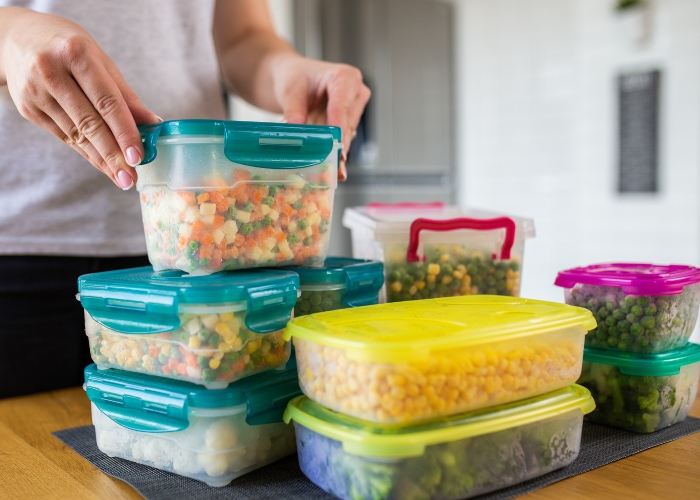
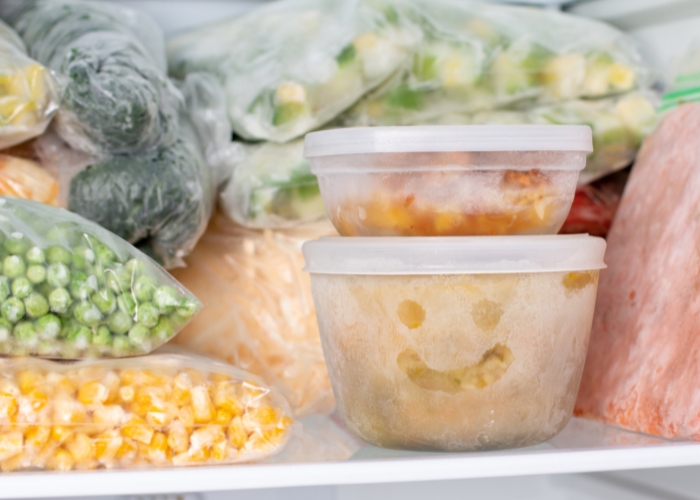
If there are leftovers that you don’t expect to use within three days, go ahead and freeze them for later use. Freezing “stops the clock” on bacterial growth. Remember to package foods well for freezing to prevent freezer burn. Label and date the foods you freeze and then use them up within a few weeks.
Don’t Purchase Foods Too Far Ahead of When You Will Prepare Them
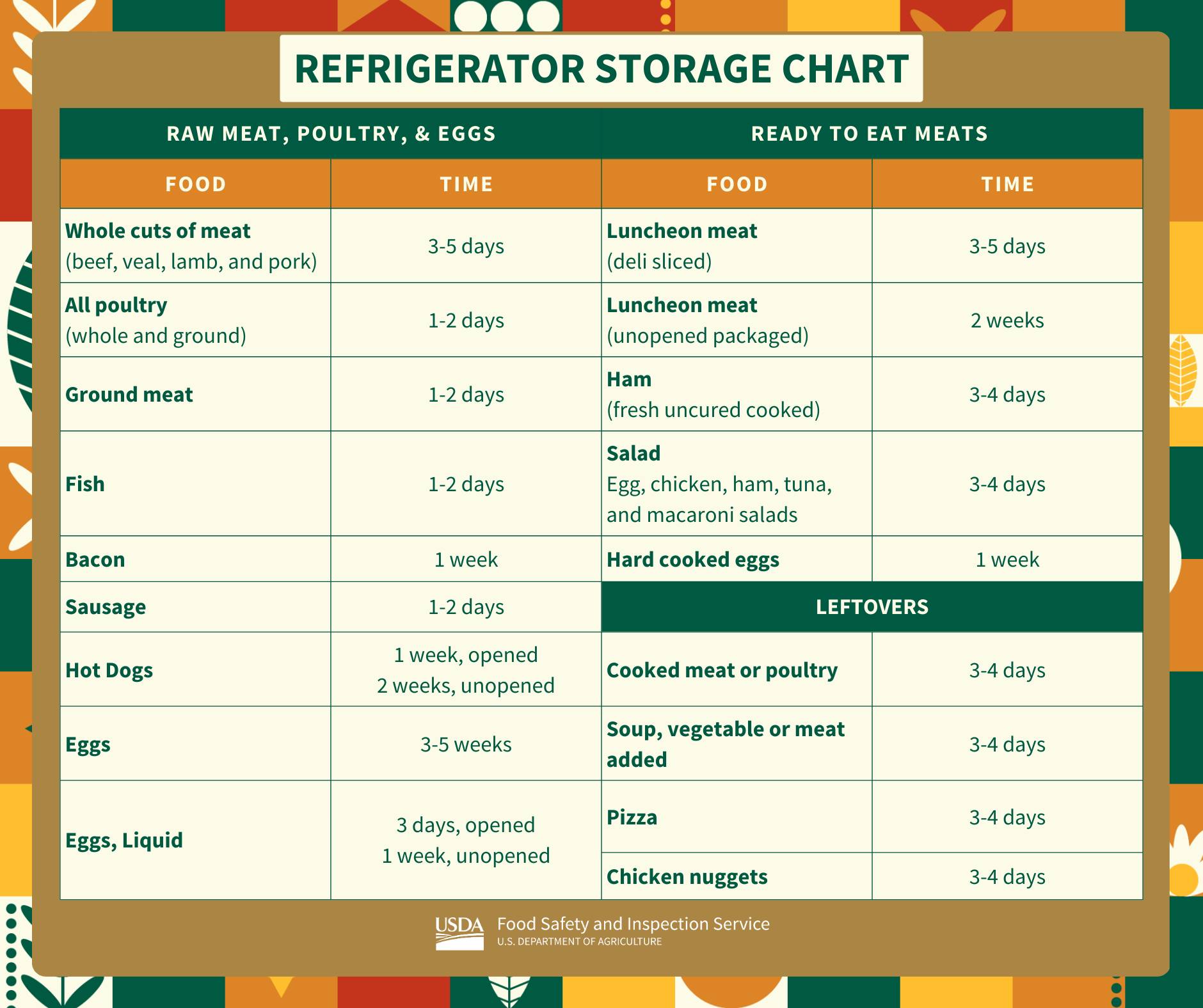
Don’t purchase foods requiring refrigeration too far ahead of preparation. They will unnecessarily crowd your refrigerator. The chart below from USDA gives good guidance on how long raw and ready-to-eat meat, poultry, and eggs can be safely stored before cooking and eating them.