
Stay Tick-Safe in Putnam County & Protect Yourself from Lyme Disease
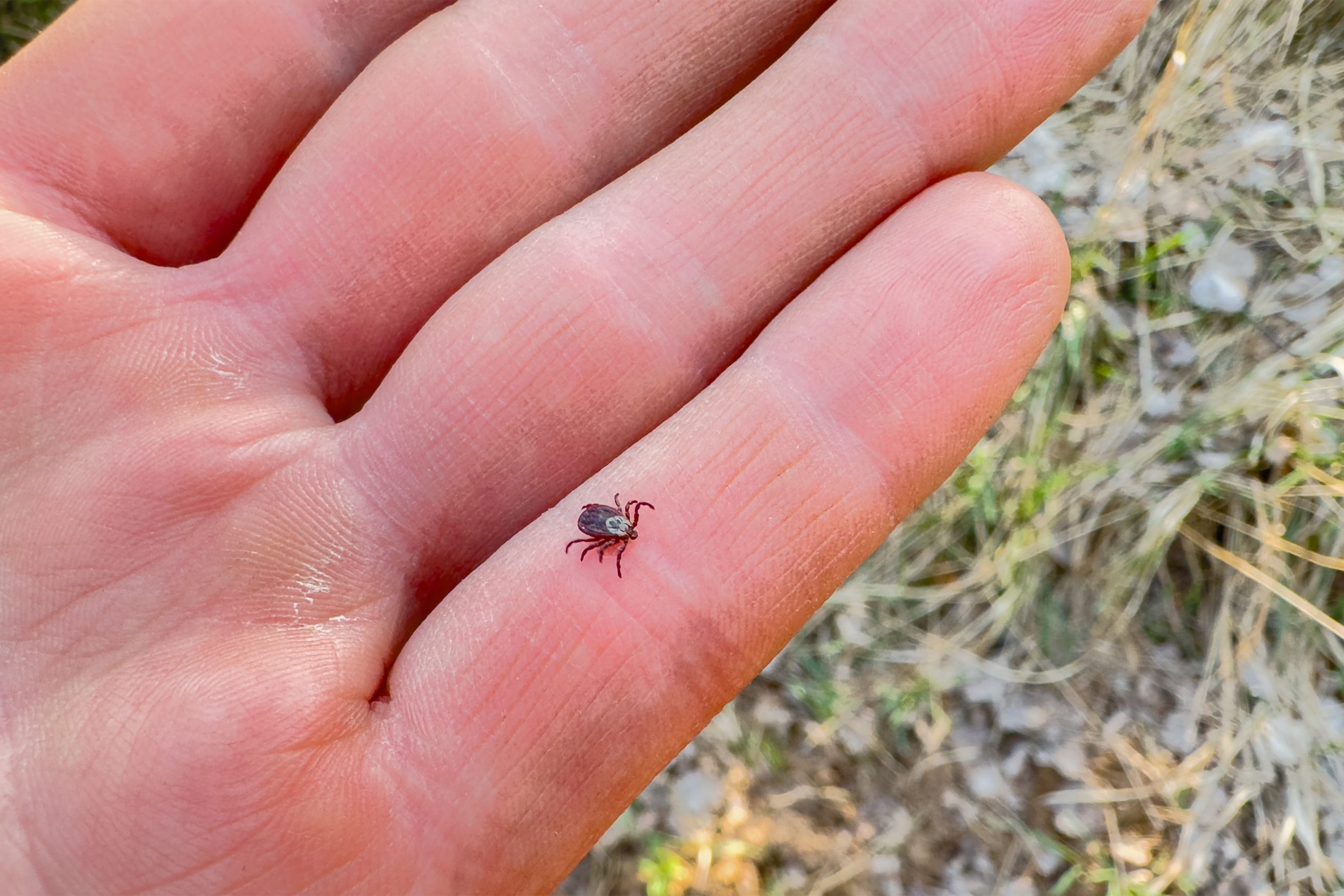
As the weather warms and outdoor adventures beckon, it’s important to stay vigilant against deer ticks, which are common in our region and can carry Lyme disease. The Putnam County Health Department encourages all residents to enjoy nature safely by taking simple precautions before, during, and after outdoor activities.
Before You Head Outdoors: Be Prepared
Deer ticks thrive in wooded, brushy, and grassy areas. Before you step outside:
- Dress smart: Wear long sleeves, long pants tucked into socks, and light-colored clothing to easily spot ticks.
- Use tick repellent: Apply EPA-registered insect repellents that contain DEET, picaridin, IR3535, or oil of lemon eucalyptus. Treat clothing and gear with products containing 0.5% permethrin.
- Stick to the trail: Avoid walking through tall grasses or leaf litter.
- Plan for pets: Check that your dogs are on veterinarian-recommended tick prevention treatments.
Remember: You don’t have to be deep in the woods to pick up a tick. Ticks can be found in your own backyard—especially along property edges, in overgrown grass, wood piles, leaf litter, and under bushes. If your children are playing outside or you’re doing yard work or gardening, it’s still important to take precautions. Keeping your lawn mowed, removing leaf litter, and placing a barrier of wood chips or gravel between lawns and wooded areas can help reduce tick habitats around your home.
When You Return Indoors: Do a Tick Check
Ticks are small and can attach anywhere on the body. Within two hours of coming indoors:
- Shower soon after being outside: This may help wash away ticks before they attach.
- Check your body thoroughly: Pay close attention to underarms, in and around ears, behind knees, between legs, around the waist, and in hair.
- Check your clothing and gear: Ticks can ride inside on clothes or gear.
- Tumble clothes in a dryer on high heat for 10 minutes to kill any ticks on dry clothing. If clothes are damp, dry completely, then tumble.
If You Find a Tick: Remove It Promptly and Properly
Early removal of a tick reduces the risk of disease transmission.
- Use fine-tipped tweezers to grasp the tick as close to the skin’s surface as possible.
- Pull upward with steady, even pressure. Avoid twisting or jerking, which can cause mouthparts to break off and remain in the skin.
- Clean the bite area and your hands with rubbing alcohol, an iodine scrub, or soap and water.
- Dispose of the tick by placing it in alcohol, sealing it in a bag/container, wrapping it tightly in tape, or flushing it. Do not crush the tick with your fingers.
- Optional: Save the tick in a sealed bag labeled with the date. This may help a healthcare provider if symptoms develop.
Watch for Symptoms of Lyme Disease
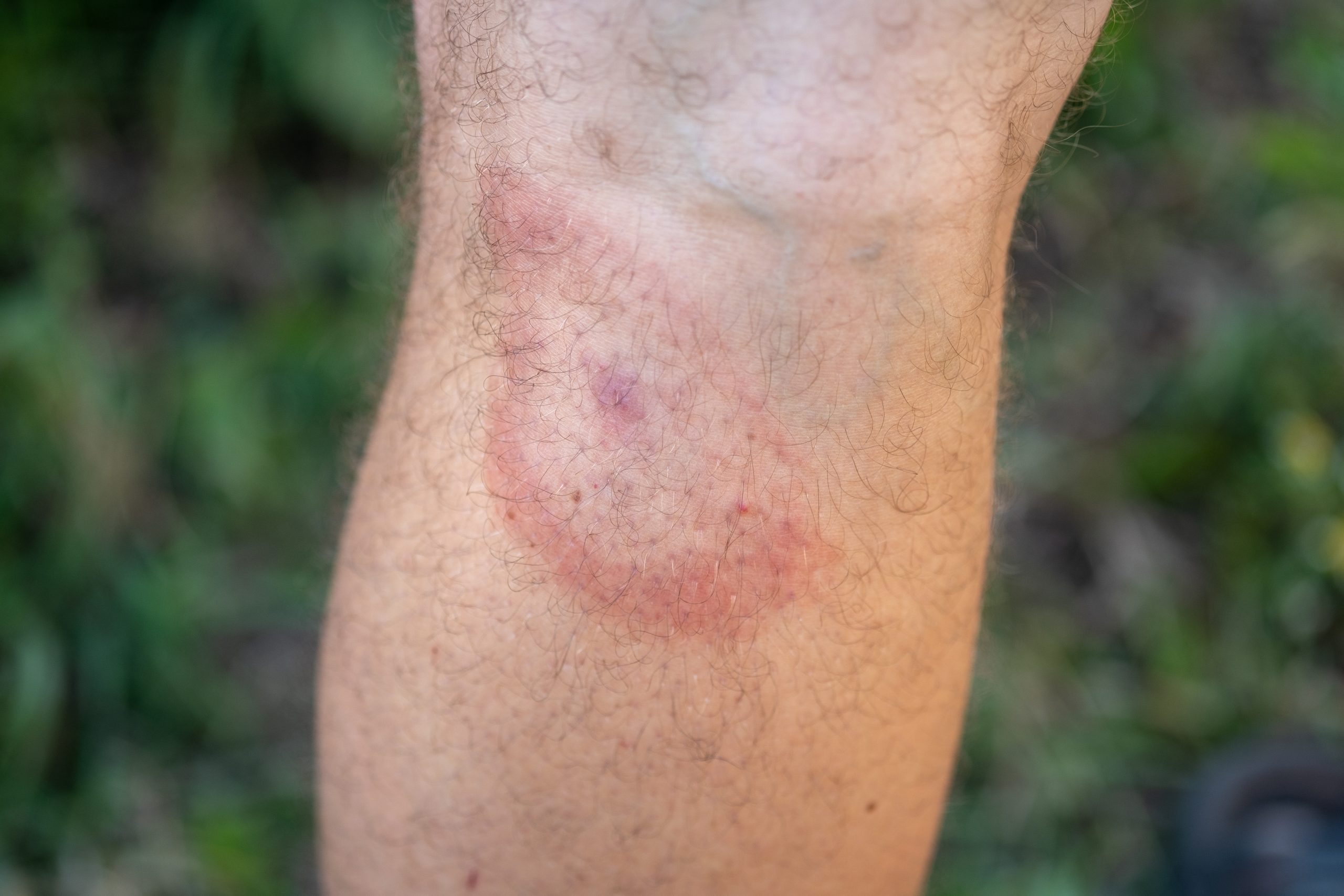
Lyme disease symptoms can appear 3 to 30 days after a bite. Early signs include:
- A red, expanding rash (often in a “bull’s-eye” pattern), usually at the site of the bite
- Fever, chills, headache, fatigue
- Muscle and joint aches
- Swollen lymph nodes
If untreated, Lyme disease can lead to more serious complications affecting the heart, joints, and nervous system.
If you notice any of these symptoms—or know you were bitten by a tick—contact your healthcare provider as soon as possible. Early diagnosis and treatment with antibiotics are highly effective.