
Food Safety Starts with a Clean Kitchen
Whether you’re preparing a quick snack or a family dinner, simple habits like washing your hands, cleaning utensils, and rinsing fresh produce can make a big difference in keeping your kitchen both welcoming and safe. Practicing proper sanitation helps prevent the spread of harmful bacteria that can cause foodborne illness. Read on for helpful tips from the Putnam County Health Department’s Sanitarian team.
By keeping your cooking space sanitized, you can help protect yourself and your family from foodborne illness — and make every meal a little safer.
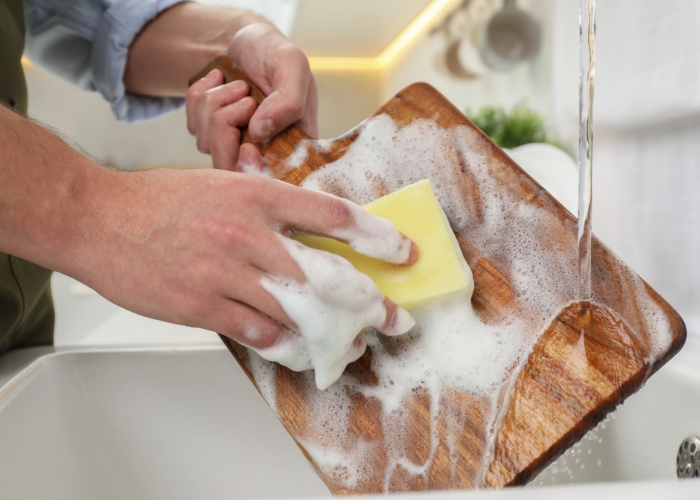
Wash your cutting boards and preparation utensils with hot, soapy water after preparing each food item. Then dry them thoroughly.
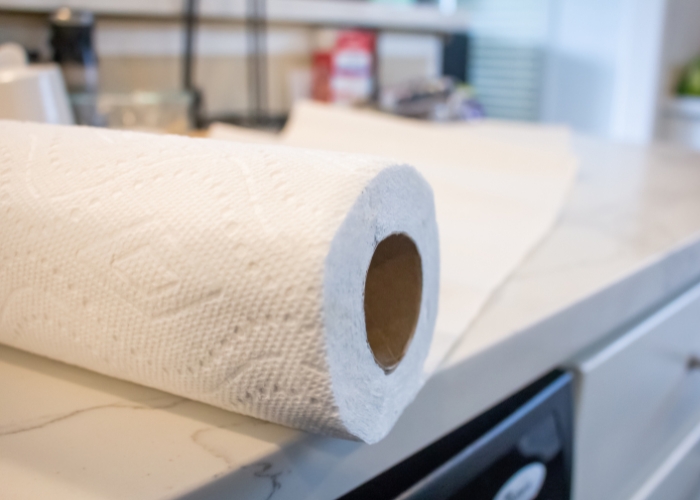
Use disposable paper towels to clean up countertops and other kitchen surfaces. Sponges or towels can provide a warm, moist environment where harmful bacteria can live and grow when they are used and reused to clean messes.
Wash your dishes and silverware in a dishwasher or with hot, soapy water and allow them to air dry. If you use cloth towels to dry dishes, launder them often on the hot cycle.
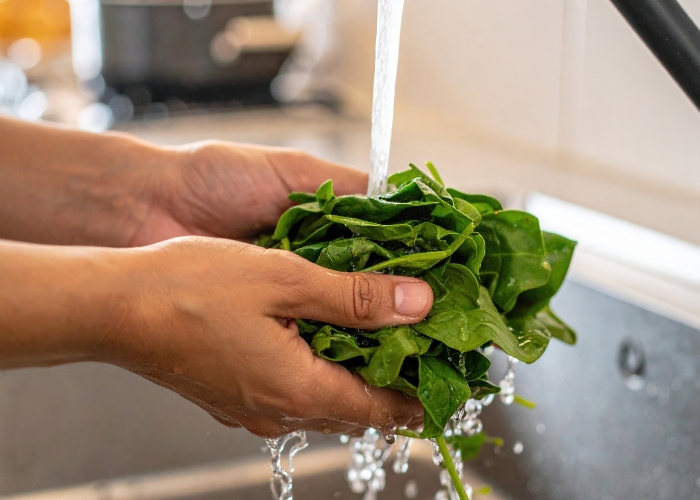
Rinse fresh fruits and vegetables under running tap water, including those with skins and rinds that are not eaten. Scrub firm produce like melons and cantaloupes with a clean produce brush.
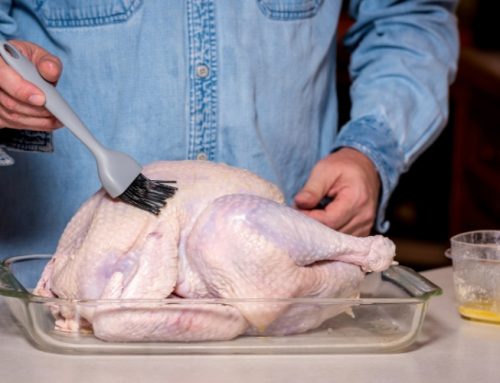
Do not wash chicken or other poultry, as doing so may spread Salmonella and other bacteria to kitchen surfaces. Cooking will destroy these bacteria, so washing is not necessary.
With canned goods, remember to wipe the lids clean before opening them.
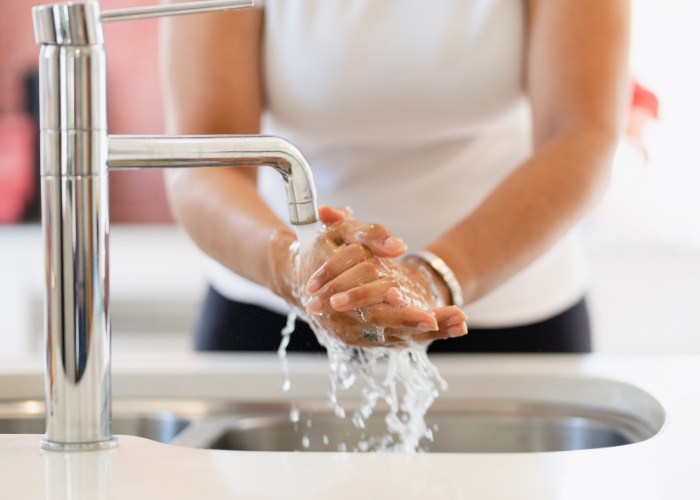
Wash your hands with warm water and soap for at least 20 seconds before and after handling food. You should also wash them after using the bathroom, changing diapers, taking out the trash, performing cleaning tasks, or handling pets.