Understanding H5N1 (Bird Flu): What You Need to Know in Putnam County
If you’ve noticed egg prices climbing over the past year, you’re not alone. Outbreaks of avian influenza A (H5N1)—commonly called “bird flu”—have affected poultry flocks across the United States, reducing egg production and driving up prices at grocery stores.
While that economic impact has been the most visible sign of bird flu for many consumers, the same virus has also drawn attention from public health officials because of its ability to spread among birds, livestock, and, in rare cases, humans.
For most people, the risk of getting sick from H5N1 remains very low, but for those who work closely with poultry or livestock, awareness and prevention are key. Here’s what you should know and how to protect yourself, your family, and your animals.
What Is H5N1?
H5N1 is a type of influenza virus that primarily infects birds. It is considered “highly pathogenic,” meaning that it spreads rapidly and causes sudden illness and death among infected wild or domestic flocks. Occasionally, the virus can spread to other species after close contact with infected animals or contaminated environments.
Infection in humans is possible but rare, with a limited number of cases reported in the United States. According to the Centers for Disease Control and Prevention (CDC), there are currently no known cases of human-to-human spread.
The U.S. Department of Agriculture (USDA) and CDC continue to monitor the situation closely, as this H5N1 strain has been detected in wild birds, commercial poultry farms, and dairy cattle in several states.
How Bird Flu Spreads
The virus spreads naturally among wild waterfowl, which can carry it without showing signs of illness. It can then spread to domestic birds—such as chickens, ducks, or turkeys—through direct contact or contaminated surfaces, feed, or water.
People can become infected if they:
- Handle sick or dead birds or livestock without protective gear
- Touch surfaces contaminated with saliva, mucus, or droppings from infected animals
- Work in close proximity to infected poultry or dairy cattle
Symptoms in Humans
If someone is infected with H5N1, symptoms can look similar to the seasonal flu, ranging from very mild to severe, and in rare cases, life‑threatening.
Mild symptoms may include:
- Redness or irritation of the eyes (conjunctivitis) — this has been the most common symptom in U.S. cases so far.
- A mild fever (100 °F / 37.8 °C or higher) or feeling feverish.
- Cough, sore throat, runny or stuffy nose.
- Muscle or body aches, headache, fatigue (unusual tiredness).
- Less commonly: diarrhea, nausea, or vomiting.
Moderate to severe disease may present additional or more serious symptoms:
- A high fever or worsening of the milder symptoms to the point that they interfere with normal activity.
- Shortness of breath or difficulty breathing.
More severe symptoms, such as pneumonia, are rare and usually occur after very close exposure to infected animals.
Symptom Onset
The time from when a person is exposed and infected with H5N1 to when respiratory symptoms begin is about three days but can range from about 2 to 7 days. Eye symptoms such as redness and irritation can occur one to two days after exposure.
What to Do
If you or someone you know has had close contact with sick or dead birds, poultry, or livestock (especially if wearing little or no protective gear), and then develops eye redness, flu‑like symptoms, or trouble breathing, it’s important to contact a healthcare provider promptly and mention the animal exposure. While infection is still rare, early detection and treatment improve outcomes.
Symptoms in Birds
While an occasional, unexplained bird death is normal, a large percentage of dead or dying birds in your flock is not. Early detection of avian influenza among your flock is vital to preventing spread.
Here’s what you should watch for:
- Sudden death without any prior symptoms of illness
- Low energy and appetite
- Reduced egg production or soft-shelled, misshapen eggs
- Purple discoloration or swelling of the head, comb, wattles, eyelids and/or legs
- Gasping for air
- Nasal discharge, coughing, sneezing
- Twisting of the head and neck
- Stumbling or falling down
- Diarrhea
Protecting Yourself and Your Flock
While the average resident is at low risk, those who raise chickens, ducks, or livestock should take a few extra precautions.
For backyard poultry owners:
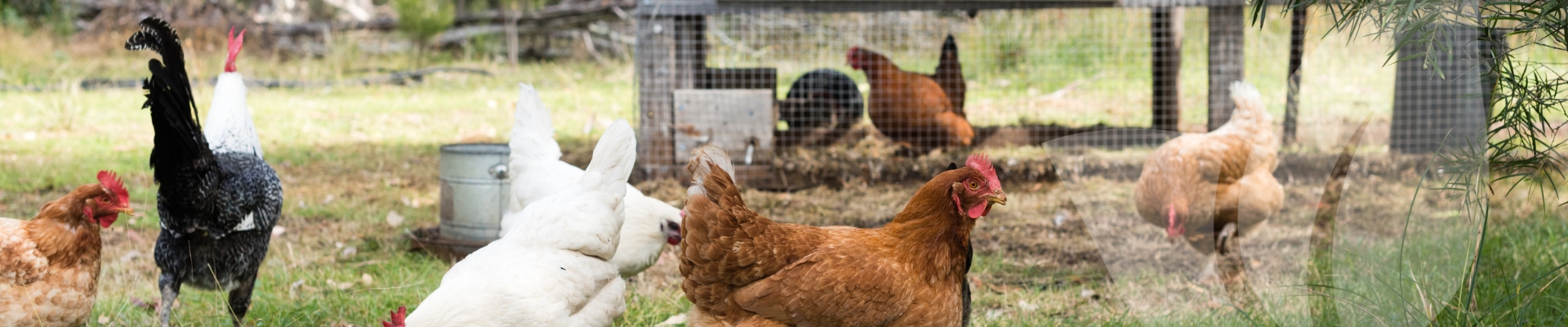
- Keep your flock separated from wild birds whenever possible.
- Don’t share equipment between flocks unless it’s been cleaned and disinfected.
- Change shoes and clothes before and after handling birds.
- Wash your hands thoroughly after touching birds, eggs, or their environment.
- Don’t touch sick or dead birds, their feces or litter, or any surface or water source that may be contaminated
- Wear protective gear (gloves, eye protection, and a mask) when around sick or dead birds
If you have sick or dying birds, do not dispose of them yourself— contact the West Virginia Department of Agriculture, Animal Health Division, at 304-558-2214 for guidance. Report any unusual bird deaths.
For livestock or dairy workers:
- Wear protective gear when working around animals that appear ill.
- Avoid direct contact with sick or dead animals or raw milk from infected herds.
- Follow safety protocols for cleaning, disinfection, and reporting.
What This Means for the General Public
For most people in Putnam County, H5N1 is not a cause for alarm. Everyday precautions—like washing your hands, avoiding contact with wild birds, and cooking poultry and eggs thoroughly—are enough to stay safe.
Health agencies continue to test animals, track outbreaks, and update recommendations as new information becomes available. If the situation changes, local officials will share updates to keep our community informed.
When to Call for Help
- Sick or dead wild birds: Contact the West Virginia Division of Natural Resources at 304-558-2771.
- Sick or dying domestic birds: Contact the West Virginia Department of Agriculture, Animal Health Division, at 304-558-2214.
- Flu-like illness after animal contact: Contact your local healthcare provider.
Stay Informed
For up-to-date information and prevention tips, please visit:
The Bottom Line
The current risk to humans is low—but staying alert and practicing good hygiene around birds and livestock helps protect you, your animals, and our community.
The contents of this post have been adapted from information from the Centers for Disease Control and Prevention (CDC) and the U.S. Department of Agriculture (USDA), Animal and Plant Health Inspection Service.