

Keeping Food Safe During a Power Outage
Refrigerated or frozen foods may not be safe to eat after a power outage. Keep reading to find out what you can do to preserve food if the power goes out and when you need to throw away food to prevent sickness.
Be Prepared for Emergencies
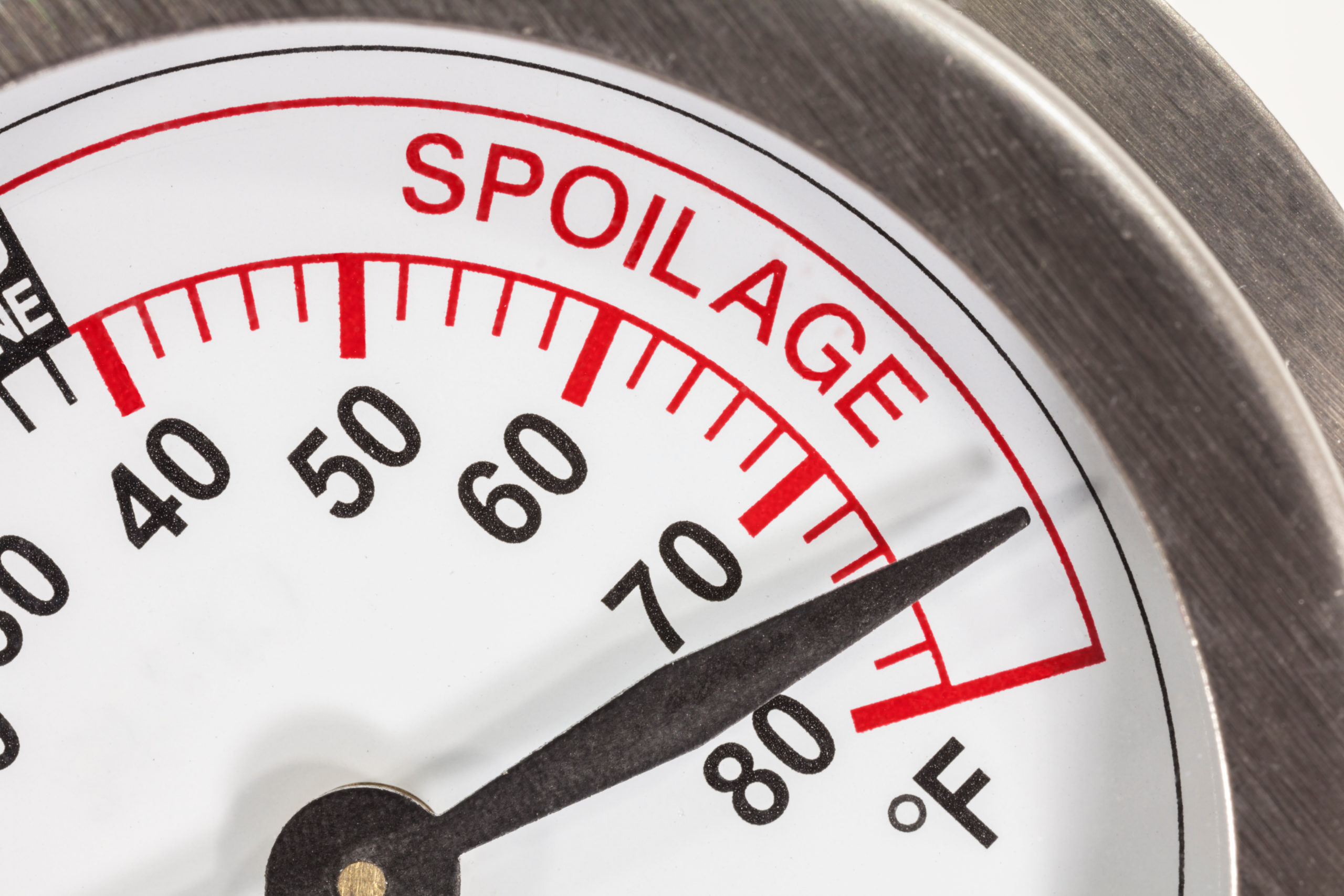
Keep appliance thermometers in your refrigerator and freezer. Your refrigerator should be at 40°F or below. Your freezer should be at 0°F or below. Keep an appliance thermometer in each refrigeration unit so that you can monitor its temperature.
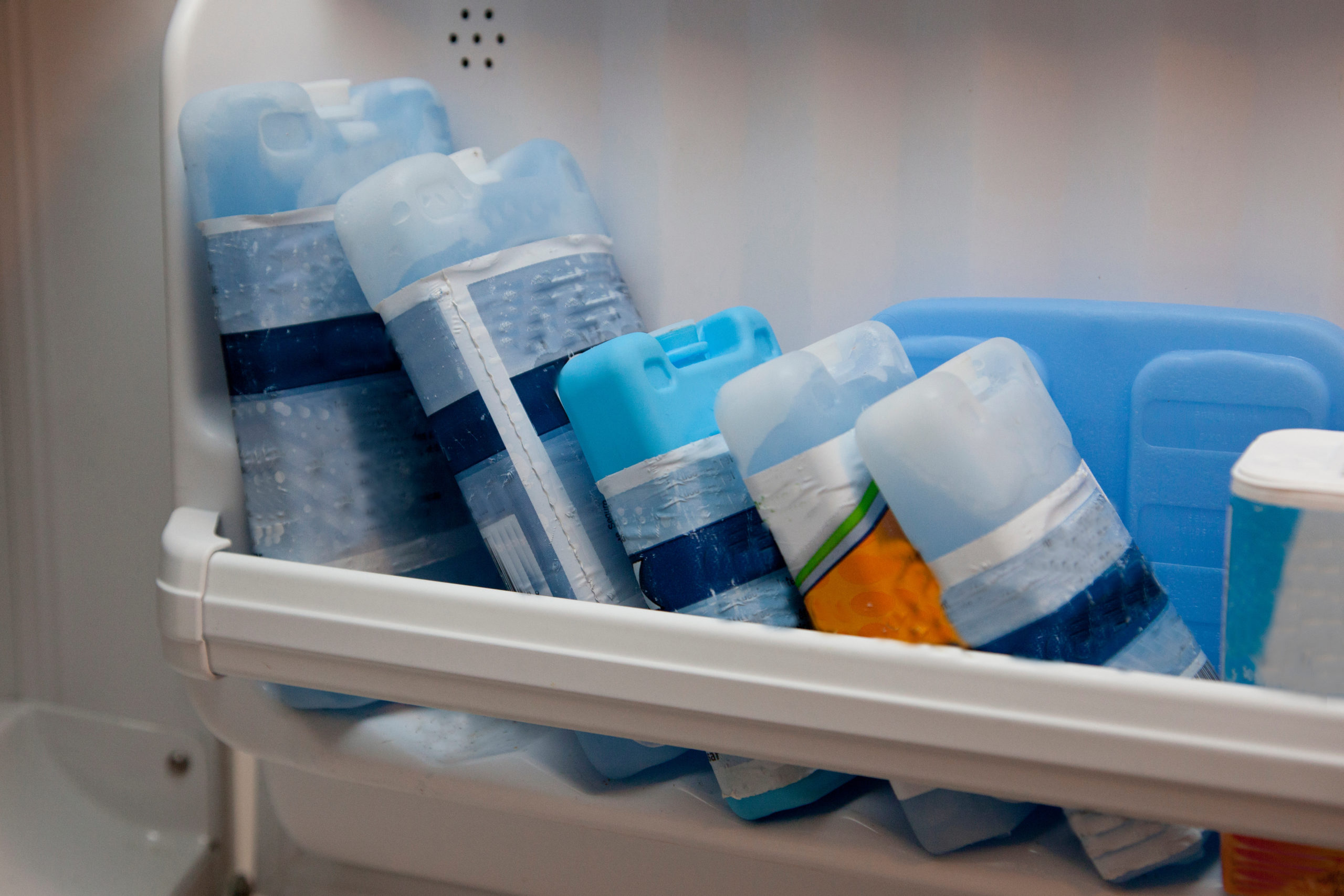
Keep several frozen containers of water or gel packs in your freezer to help keep your food cold in an emergency. They will help keep your freezer cold or can be moved to a cooler to help keep refrigerated foods cold.
When a Storm is Predicted
Put some of the frozen containers of water or gel packs from your freezer in your refrigerator in case the power goes out.
Have a cooler handy. You may wish to buy ice to keep food cold if a storm is predicted and the power might be interrupted. Ice may not be readily available after the power goes out.
During a Power Outage
Keep refrigerator and freezer doors closed after the power goes out.
After 4 hours without power, put refrigerated perishable foods in a cooler. Add ice or gel packs to keep them at 40°F or below. If unopened, a full freezer should be able to hold foods safely for 48 hours. A half-full freezer should be able to hold foods safely for 24 hours.
After a Power Outage
Never taste food to determine if it is safe to eat. Throw out any food with an unusual odor, color or texture. When in doubt, throw it out!
Check the temperatures of food kept in coolers or your refrigerator. Throw out perishable food (meat, poultry, seafood, fish, eggs, dairy products, cut tomatoes, cut melons, sprouts, cut leafy greens, and leftovers) if it has been above 40°F for 4 hours or longer.
Check the temperatures of food kept in your freezer. You can safely refreeze or cook thawed frozen food that still contains ice crystals or is at 40°F or below.
Some foods commonly kept in a refrigerator may be safely eaten even if their temperature has been above 40°F for more than 4 hours. These include mustard, ketchup, pickles, uncut fruits and vegetables (except sprouts), soda, and hard cheeses.
Attribution: Much of the above information was provided by the Centers for Disease Control and Prevention (CDC).