Picnic and Cookout Food Safety
Summertime is a great time to get together with your family and friends outdoors. We always look forward to the fun and good food at these events. However, preparing and serving food outdoors presents greater risks than preparing and serving food in a fully equipped kitchen. Here are some simple yet effective steps to keep you and your family safe while enjoying outdoor meals.
Wash Your Hands
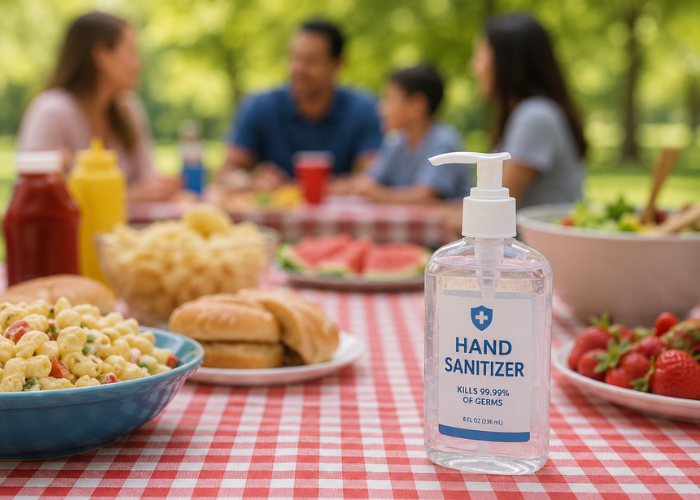
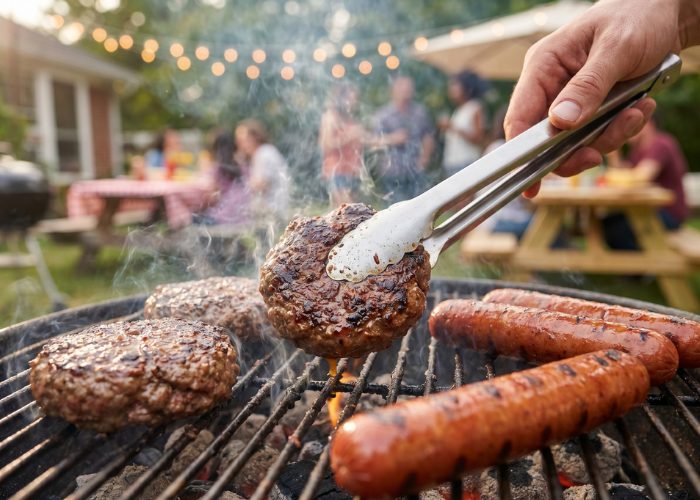
Many foodborne illnesses could be prevented if people just washed their hands more often. Wash your hands before preparing or serving food. Use tongs or other utensils to handle raw meat. Wash your hands between food preparation tasks. Everyone should wash their hands before they eat. If there is no running water at your picnic site, bring hand sanitizer and rub it all over your hands, including between fingers and around nails.
Clean Food Preparation Surfaces Including Your Grill
Food preparation surfaces should be cleaned with soap and water. If you don’t have access to a faucet, carry bottled water. Dry the surfaces with paper towels.
Scrape any old food residue off grill surfaces. Then start your grill and allow the heat to kill any remaining bacteria before cooking.
Keep Perishable Foods Cool
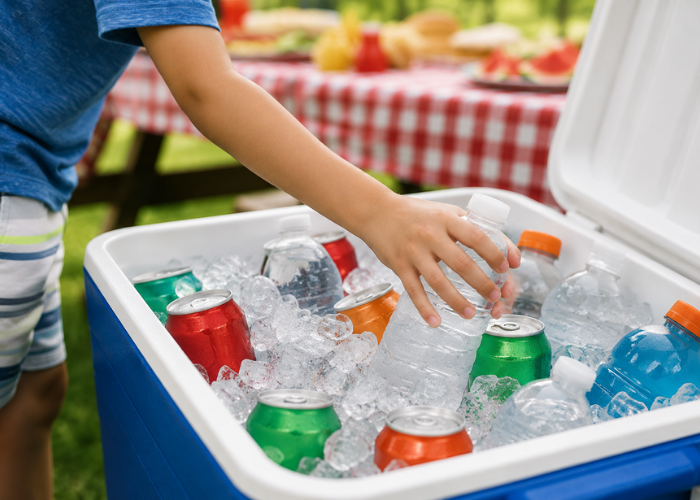
Chill or freeze perishable foods before packing them in your cooler. Don’t pack your cooler more than ¾ full of food. Then put ice or cold blocks on top so that the chilled air sinks downward. Keep your cooler in the shade rather than in direct sunlight or a hot parked car.
Consider packing beverages in a separate cooler. You can keep the cooler with perishable food closed while the beverage cooler is frequently opened and shut.
Prevent Cross-Contamination
Pack all foods in clean, sealed containers or sealable plastic bags.
Place containers with raw meats, seafood, and poultry at the bottom of the cooler to prevent juices from contaminating other items.
Use separate plates, cutting boards, and utensils for raw and cooked foods. Never place ready-to-eat foods on plates that held raw meat, poultry, or seafood.
Cook to Safe Temperatures
The bacteria that can cause foodborne illness grow quickly between 41°F and 135°F — also known as the Danger Zone. Use a food thermometer to ensure meats, poultry, and seafood are cooked to a safe internal cooking temperature:
- Beef, pork, and lamb – 145°F
- Poultry (whole and ground) – 165°F
- Seafood (fish and shellfish) – 145°F
- Ground beef, pork, and lamb – 160°F
Remember to measure the temperature in the thickest part of the food. The color of the cooked meat is not a reliable indicator that the food is safe to eat.
Don’t Let Food Sit Out
Perishable foods, including cut melons, cut tomatoes, and eggs, should not sit out on the table for more than two hours (or one hour in temperatures above 90°F). Keep perishable foods chilled at or below 41°F by keeping them inside a cooler near the picnic table.
Bring only the amount of food you think you’ll use. Consider taking non-perishable foods and snacks that don’t need to be kept refrigerated.