

Tick Season in West Virginia: What You Need to Know About Lyme Disease and Tick Bite Prevention
As the weather warms up in West Virginia, many of us are spending more time outdoors enjoying hiking trails, ballgames, gardening, camping, and backyard activities. Unfortunately, warmer weather also means tick season is here.
May is Lyme Disease Awareness Month, making it the perfect time to talk about how to protect yourself and your family from tick bites and tick-borne illnesses. West Virginia has been classified as a high-incidence Lyme disease state since 2017, and cases continue to rise across the region.
Ticks may be small, but they can carry serious illnesses, including Lyme disease, Rocky Mountain spotted fever, ehrlichiosis, anaplasmosis, and even alpha-gal syndrome — a condition that can trigger an allergy to red meat.
Common Ticks Found in West Virginia
Several types of ticks are commonly found throughout West Virginia, and each can carry different diseases.
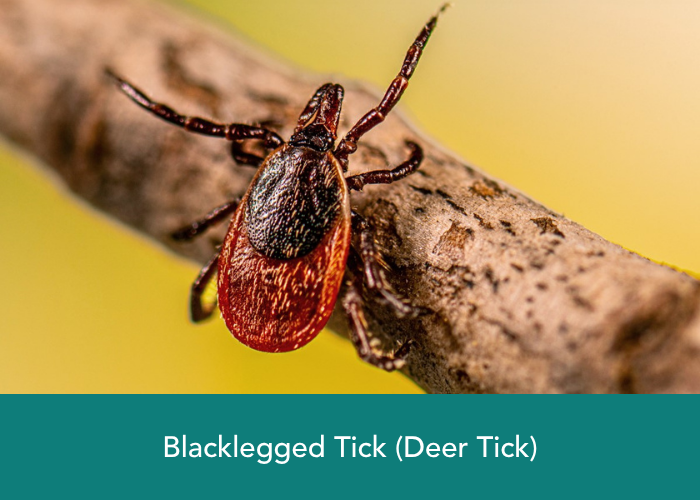
Blacklegged Tick (Deer Tick)
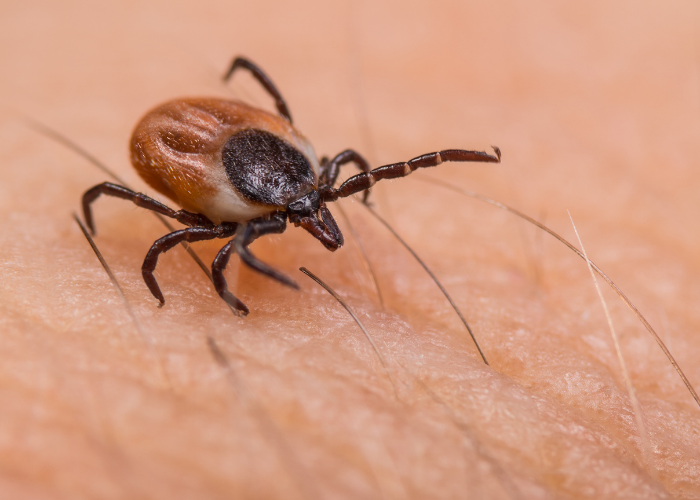
The blacklegged tick is best known for spreading Lyme disease. These ticks are very small — especially in their younger stages — and are commonly found in wooded or brushy areas.
American Dog Tick
The American dog tick is larger and easier to spot. It is commonly found in grassy areas and along trails and can carry Rocky Mountain spotted fever.
Lone Star Tick
Recognizable by the single white spot on the back of adult females, the lone star tick is becoming increasingly common in our region. These ticks have been linked to ehrlichiosis and alpha-gal syndrome, which can cause an allergy to red meat.


Preventing Bites & Lowering Your Risk of Illness
1. Know Where Ticks Live
Ticks thrive in grassy, brushy, and wooded areas. In West Virginia, they are commonly found along hiking trails, in leaf litter, tall grass, and even in your own backyard.
You do not have to be deep in the woods to encounter ticks. Many bites happen close to home while gardening, mowing grass, walking pets, or playing outside.
When spending time outdoors:
- Stay on cleared trails when hiking
- Avoid walking through tall grass and brush
- Wear long sleeves and long pants when possible
- Choose light-colored clothing to make ticks easier to spot
2. Use Tick Repellent
One of the best ways to prevent tick bites is by using an EPA-registered insect repellent containing DEET, picaridin, IR3535, or oil of lemon eucalyptus.
You can also treat clothing and outdoor gear with permethrin, which helps repel and kill ticks before they attach.
Don’t forget about pets. Dogs and outdoor cats can carry ticks into the home, so regular tick prevention and routine checks are important for your furry family members, too.
3. Check for Ticks After Being Outdoors
Ticks can be tiny — some are as small as a poppy seed — so checking yourself carefully is important after spending time outside.
The CDC recommends:
- Showering within two hours of coming indoors
- Checking your entire body for ticks
- Examining children carefully
- Looking over clothing, shoes, backpacks, and outdoor gear
- Checking pets before they come inside
Ticks commonly attach:
- Behind the knees
- Around the waist
- Under the arms
- Around the ears and hairline
- Between the legs
4. Remove Ticks Properly and Quickly
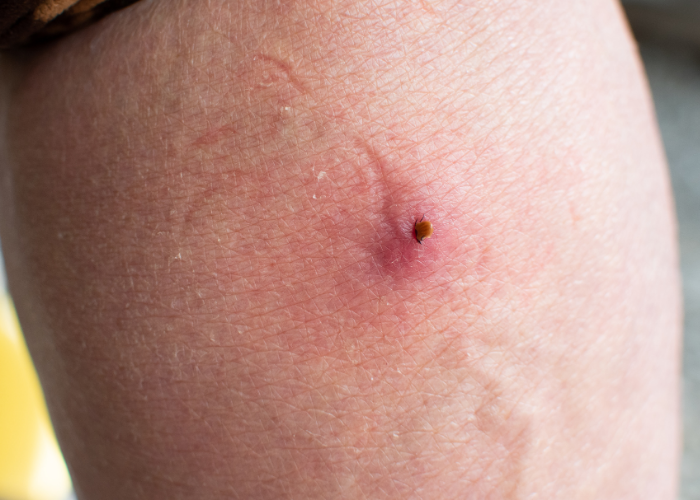
If you find a tick attached to your skin, remove it as soon as possible using fine-tipped tweezers.
To safely remove a tick:
- Grasp the tick as close to the skin as possible
- Pull upward steadily without twisting
- Clean the area with soap and water or rubbing alcohol
Avoid using petroleum jelly, nail polish, matches, or other home remedies.
Prompt removal matters because the longer a tick remains attached, the greater the chance it can spread disease.
5. Watch for Symptoms After a Tick Bite
Not every tick bite leads to illness, but it’s important to monitor for symptoms in the days and weeks afterward.
Possible signs of tick-borne illness may include:
- Fever or chills
- Fatigue
- Headache
- Muscle or joint aches
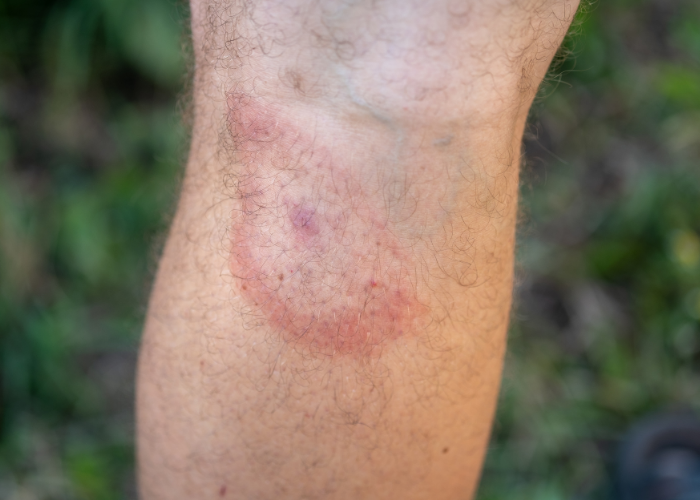
- Rash, including a bull’s-eye rash associated with Lyme disease
If you develop symptoms after a tick bite, contact your healthcare provider promptly. Early treatment is important and can help prevent more serious complications.
Enjoy the Outdoors Safely
Ticks are a part of life in West Virginia, but they should not keep you from enjoying the outdoors. By taking a few simple precautions and staying aware, you can greatly reduce your risk of tick bites and tick-borne illnesses.
The Putnam County Health Department encourages residents to stay informed, protect themselves outdoors, and talk with a healthcare provider if they have concerns following a tick bite.
For more information about Lyme disease and tick prevention, visit the CDC’s Lyme Disease Prevention page and the West Virginia Department of Health website.