The Truth About Popular Food Myths
We’ve all heard food-related advice passed down from family, friends, or the internet…but how much of it is actually true? Understanding the facts about food safety can help protect you and your loved ones from foodborne illness. Let’s separate myth from reality with these common food safety misconceptions.
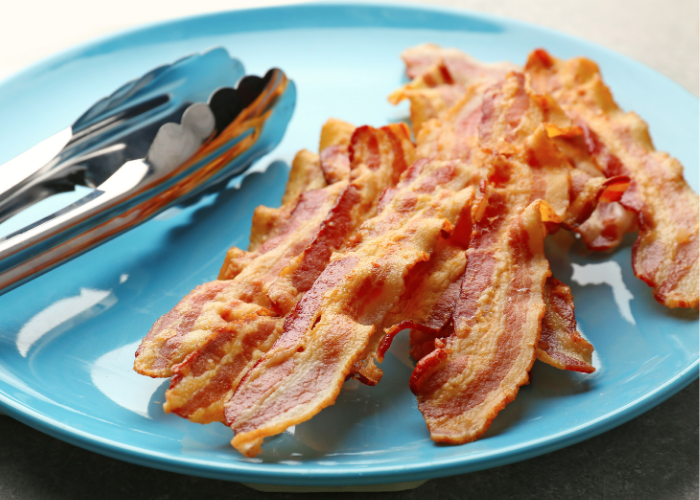
Myth or Truth? Fried bacon does not need to be refrigerated.
Bacon, when it has been fried until crisp, does not grow bacteria as quickly as many other foods because of its preservatives, high fat content and low water activity.
The Food and Drug Administration (FDA) requires foods having a water activity above 0.85 to be refrigerated at 41°F or below if not served within 4 hours.
According to the USDA’s Microbiology Division, the water activity of crisp bacon is approximately 0.72 to 0.75. Commercially precooked bacon has a water activity of 0.85.
Therefore, bacon that’s been cooked until crisp does not require refrigeration and may be kept unrefrigerated for a day or two. Even so, it should be kept covered to protect it from accidental contamination.
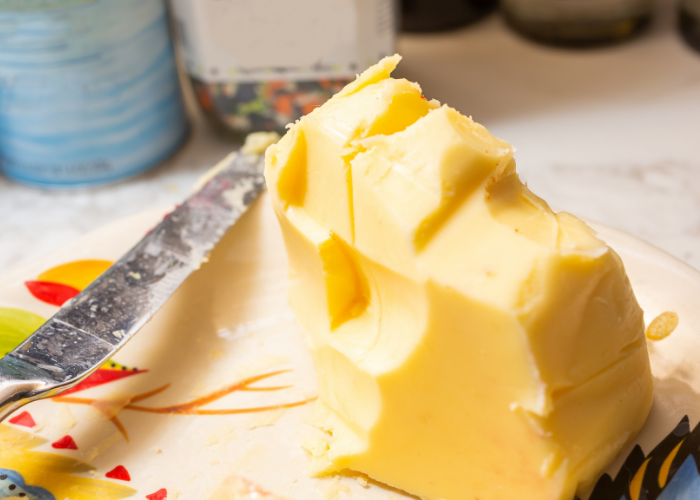
Myth or Truth? Butter does not need to be refrigerated.
Salted butter made from pasteurized milk has enough fat and salt content to inhibit bacterial growth. Regular salted butter may be safely kept at room temperature (not next to a warm stove) for one to two days. It should be covered to prevent accidental contamination.
Butter products that have been modified (whipped butter, honey butter, flavored butters), unpasteurized or homemade butter and unsalted butter will go rancid faster and should be refrigerated at 41°F or below. Margarine should always be refrigerated.
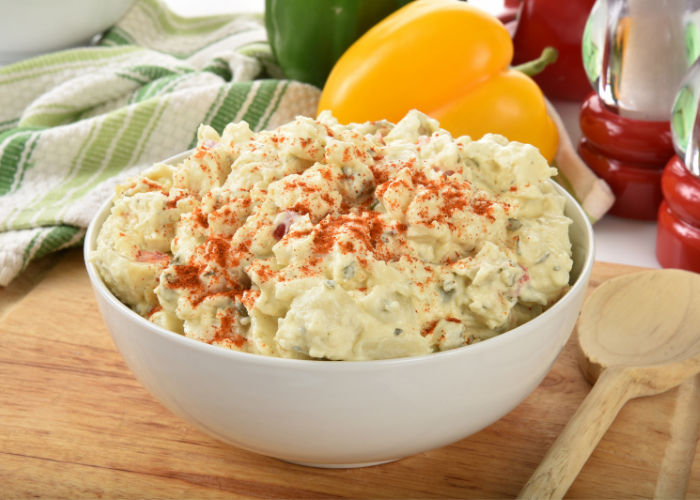
Myth or Truth? Foods containing mayonnaise are more likely to cause foodborne illness.
Commercially prepared mayonnaise is made of oil, egg yolks and an acid such as vinegar or lemon juice. The eggs used in prepared mayonnaise are pasteurized to kill harmful bacteria. Commercially prepared mayonnaise is loaded with acid and preservatives that actually inhibit bacterial growth and tend to reduce the likelihood of foodborne illness.
In contrast, homemade mayonnaise carries more risk. Traditional homemade mayonnaise is not acidified with vinegar or lemon juice and therefore can support rapid bacterial growth. Foods that contain homemade mayo should be eaten immediately or promptly refrigerated at 41°F or below. Also, because homemade mayonnaise usually contains egg yolks from raw eggs that have not been pasteurized, it poses a risk of foodborne illness from Salmonella.
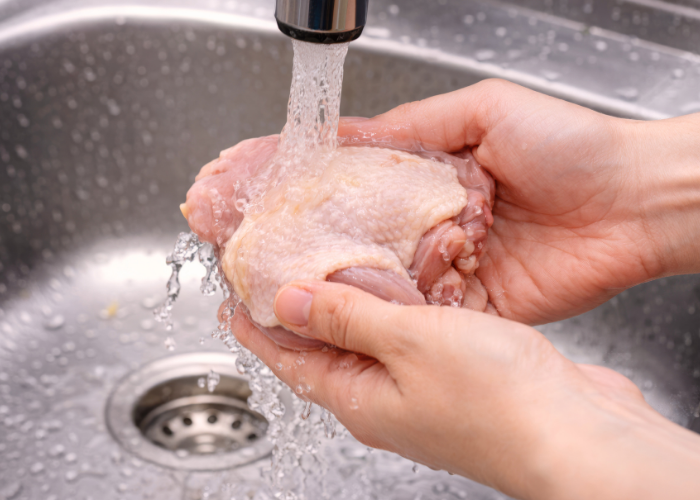
Myth or Truth? Rinsing raw chicken or turkey under cold running water will wash off bacteria like Salmonella.
Rinsing raw poultry in your kitchen sink will not remove the bacteria. In fact, doing so is likely to contaminate your sink, the surrounding countertops, and any nearby food with harmful bacteria like Salmonella or Campylobacter.
Instead, cook the unwashed chicken or turkey to an internal temperature of at least 165°F in order to kill the dangerous bacteria. Check the temperature at the thickest part with a digital food thermometer.